
Puliyodarai (For e:Himay)
Okay, the thing is (as usual), I didn't agree with that recipe and this is my own. Take it or leave it. That blogger has it wrong. And if you substitute ANYthing here, may the kitchen god make you itch till you realize there is no substituting allowed.
The "Podi" (Or The Powder)
You need:
- Coriander Seeds (Cilantro Seeds) - 5 tablespoons
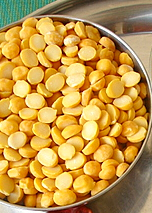
- Chane ki Dal (Bengal Gram) - 4 tablespoons
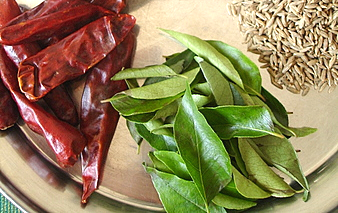
- Dried Red Chillies (Indian NOT Mexican) 4-5 Full Size
- Karuveppelai ("Curry" leaves) 1-2 sprigs
- Asafoetida powder - A light sprinkle
Prep:
1. Heat a flat-bottomed stainless steel pan at LOW heat.
2. Add Bengal gram and dry roast for a minute
3. Add Coriander seeds and continue roasting till its reddish brown
Some precautions:
DO NOT TURN HEAT UP - even if someone threatens you at knifepoint. DO NOT stop stirring. No, you cannot go away till it roasts to that perfect colour. You need to be there and keep a watchful eye out or they will burn.
4. When the coriander seeds are almost done, add the dried red chillies and keep stirring. Turn off the burner.
5. Add Asafoetida powder - a pinch/sprinkle or less. Stir well with the rest.
6. Add a generous number of Karuveppelai. Mix.
7. Wait till it somewhat cools down.
8. Grind to a rough powder in the blender.
The Rice
You need:
- Long grained preferably Basmati rice
- 1-2 tablespoon of sesame oil
Prep
1. Cook the rice in a rice-cooker (or however you cook it). The ratio of rice to water I use in my rice cooker is Rice:Water 1:1.25-1.5
2. Each grain of rice should be soft and cooked, yet separate and non-clumpy.
3. After the rice is cooked, mix in 1-2 tablespoon of sesame oil.
The Pulikaatchal (?? The tamarind Sauce? I am not sure this has an English equivalent. Calling it a sauce is laughable!)
You Need:
- Peanut oil - 2-3 Tablespoons
- Black Mustard Seeds - 1-1.5 Teaspoons
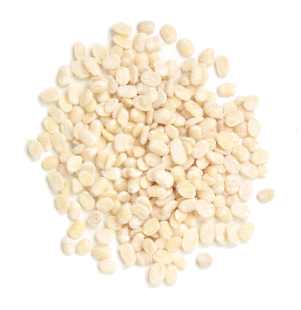
- Urad Dal - 1-1.5 Teaspoons
- Bengal Gram - 1-1.5 Teaspoons
- Peanuts - 3-4 Tablespoons
- Cashewnuts - 4-5 Tablespoons
- Karuveppelai ("Curry" leaves) 1-2 sprigs
- Turmeric Powder - a pinch
- Tamarind concentrate - 3 Tablespoons
- Salt
Prep:
1. Heat a pan on MEDIUM heat, add peanut oil.
2. Add Black Mustard Seeds (NO, YOU CANNOT use mustard as a substitute. NO means NO.)
3. Add Ural Dal
4. Add Bengal Gram
5. Stir it around for a while
6. Add Cashewnuts and Peanuts
7. Stir till some of the mustard seeds start to sputter
8. Turn off the burner.
9. Tear the Karuveppelai leaves into pieces and drop into the oil. Mix.
10. Add a pinch of turmeric powder and mix.
11. Now add 3 Tablespoons Tamarind concentrate + maybe a 4-5 tablespoons water to the above. Mix
12. Turn on the burner to LOW heat.
13. Keep Stirring with a lot of loving till the water evaporates and the oil comes out.
14. Add salt to taste
15. Add the Podi (rough ground powder) you made to this and keep stirring for a bit.
16. Turn off heat. Transfer it to some storage container - preferably not plastic. Glass would be better.
The Puliyodarai
17. In the same pan you made the Pulikaatchal, add the cooked rice, slowly mix with the pulikaatchal teaspoon by teaspoon - till you feel the flavour is just right. I prefer the rice intensely saturated with flavour till it completely takes over my senses, but some people I know prefer keeping the flavour delicate and light. Either way works.
Let me know if something is unclear. Oh, and did I tell you you cannot substitute with random things or delete things that are not convenient, the rice doesn't work any other way.
The Puliyodarai is a traditional "offering" to the million Gods and Goddesses of the southern part of the subcontinent specifically around the festive days. You have to understand just how angry this mob has the potential to get if you get it wrong. ;-)

It is an unforgiving recipe and a tough rice to get right on a fair day; substitutions/deletions might push it over the edge of being palatable and you might end up like that unfortunate bloke underfoot - at least in spirit.
The "Podi" (Or The Powder)
You need:
- Coriander Seeds (Cilantro Seeds) - 5 tablespoons
- Chane ki Dal (Bengal Gram) - 4 tablespoons
- Dried Red Chillies (Indian NOT Mexican) 4-5 Full Size
- Karuveppelai ("Curry" leaves) 1-2 sprigs
- Asafoetida powder - A light sprinkle
Prep:
1. Heat a flat-bottomed stainless steel pan at LOW heat.
2. Add Bengal gram and dry roast for a minute
3. Add Coriander seeds and continue roasting till its reddish brown
Some precautions:
DO NOT TURN HEAT UP - even if someone threatens you at knifepoint. DO NOT stop stirring. No, you cannot go away till it roasts to that perfect colour. You need to be there and keep a watchful eye out or they will burn.
4. When the coriander seeds are almost done, add the dried red chillies and keep stirring. Turn off the burner.
5. Add Asafoetida powder - a pinch/sprinkle or less. Stir well with the rest.
6. Add a generous number of Karuveppelai. Mix.
7. Wait till it somewhat cools down.
8. Grind to a rough powder in the blender.
The Rice
You need:
- Long grained preferably Basmati rice
- 1-2 tablespoon of sesame oil
Prep
1. Cook the rice in a rice-cooker (or however you cook it). The ratio of rice to water I use in my rice cooker is Rice:Water 1:1.25-1.5
2. Each grain of rice should be soft and cooked, yet separate and non-clumpy.
3. After the rice is cooked, mix in 1-2 tablespoon of sesame oil.
The Pulikaatchal (?? The tamarind Sauce? I am not sure this has an English equivalent. Calling it a sauce is laughable!)
You Need:
- Peanut oil - 2-3 Tablespoons
- Black Mustard Seeds - 1-1.5 Teaspoons
- Urad Dal - 1-1.5 Teaspoons
- Bengal Gram - 1-1.5 Teaspoons
- Peanuts - 3-4 Tablespoons
- Cashewnuts - 4-5 Tablespoons
- Karuveppelai ("Curry" leaves) 1-2 sprigs
- Turmeric Powder - a pinch
- Tamarind concentrate - 3 Tablespoons
- Salt
Prep:
1. Heat a pan on MEDIUM heat, add peanut oil.
2. Add Black Mustard Seeds (NO, YOU CANNOT use mustard as a substitute. NO means NO.)
3. Add Ural Dal
4. Add Bengal Gram
5. Stir it around for a while
6. Add Cashewnuts and Peanuts
7. Stir till some of the mustard seeds start to sputter
8. Turn off the burner.
9. Tear the Karuveppelai leaves into pieces and drop into the oil. Mix.
10. Add a pinch of turmeric powder and mix.
11. Now add 3 Tablespoons Tamarind concentrate + maybe a 4-5 tablespoons water to the above. Mix
12. Turn on the burner to LOW heat.
13. Keep Stirring with a lot of loving till the water evaporates and the oil comes out.
14. Add salt to taste
15. Add the Podi (rough ground powder) you made to this and keep stirring for a bit.
16. Turn off heat. Transfer it to some storage container - preferably not plastic. Glass would be better.
The Puliyodarai
17. In the same pan you made the Pulikaatchal, add the cooked rice, slowly mix with the pulikaatchal teaspoon by teaspoon - till you feel the flavour is just right. I prefer the rice intensely saturated with flavour till it completely takes over my senses, but some people I know prefer keeping the flavour delicate and light. Either way works.
Let me know if something is unclear. Oh, and did I tell you you cannot substitute with random things or delete things that are not convenient, the rice doesn't work any other way.
The Puliyodarai is a traditional "offering" to the million Gods and Goddesses of the southern part of the subcontinent specifically around the festive days. You have to understand just how angry this mob has the potential to get if you get it wrong. ;-)
It is an unforgiving recipe and a tough rice to get right on a fair day; substitutions/deletions might push it over the edge of being palatable and you might end up like that unfortunate bloke underfoot - at least in spirit.



Is this relatively accurate on some level? If so, I will surely have to do some serious shopping around the Super Bazaar on Sheridan to see what I can acquire and experiment in making!