
 mobile
Category: science
08/20/11 02:33 - ID#54984
Counterfactual thought
From:

What is missing in the typical narrative about Groupon – the one promoted by the company – is the “counterfactualâ€. The counterfactual is a powerful concept embedded in statistical theory. In order to evaluate the data in front of us, we must imagine an alternative world (the counterfactual) in which we allow the data to present themselves differently. To understand how medicine X might affect you, you can't just measure what happened after you took medicine X; you must also consider what might have happened if you took medicine Y and/or nothing at all.
So, instead of just thinking about the new customers brought in by Groupon, we must also consider the world without Groupon. In the world without Groupon, the regulars pay $100 for their meals, and the new customers pay $0 or some other amount (if Giorgio’s has other ways to attract them). This allows us to realize that the insertion of Groupon into that world would lower the intake from regulars while simultaneously raising the intake from new customers. For the merchant, whether Groupon is a net benefit depends on the balance between those two numbers.
This is related to the concept of opportunity cost in economics. When evaluating the value of an investment, we can’t just tally up the returns of said investment; we have to compare those returns to the returns of doing something else such as keeping the money in the bank.


Permalink: Counterfactual_thought.html
Words: 260
Last Modified: 08/20/11 02:33


Category: science
08/11/11 03:48 - ID#54923
Information is beautiful
From:
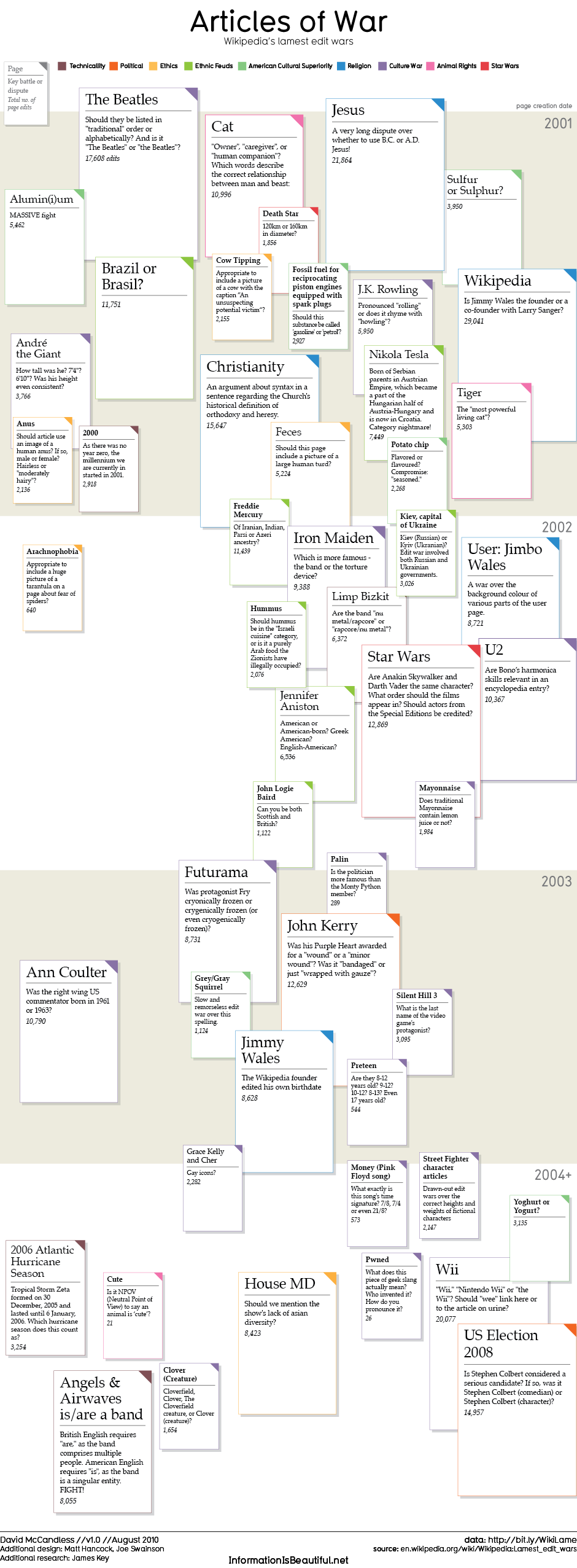
Some of those edit wars may sound so ridiculous, but what I really can't believe right now is I was involved in a particularly intense one not long back and almost got banned. Nopes, totally not telling which one. That identity and IP of mine are thankfully buried forever. ;-)
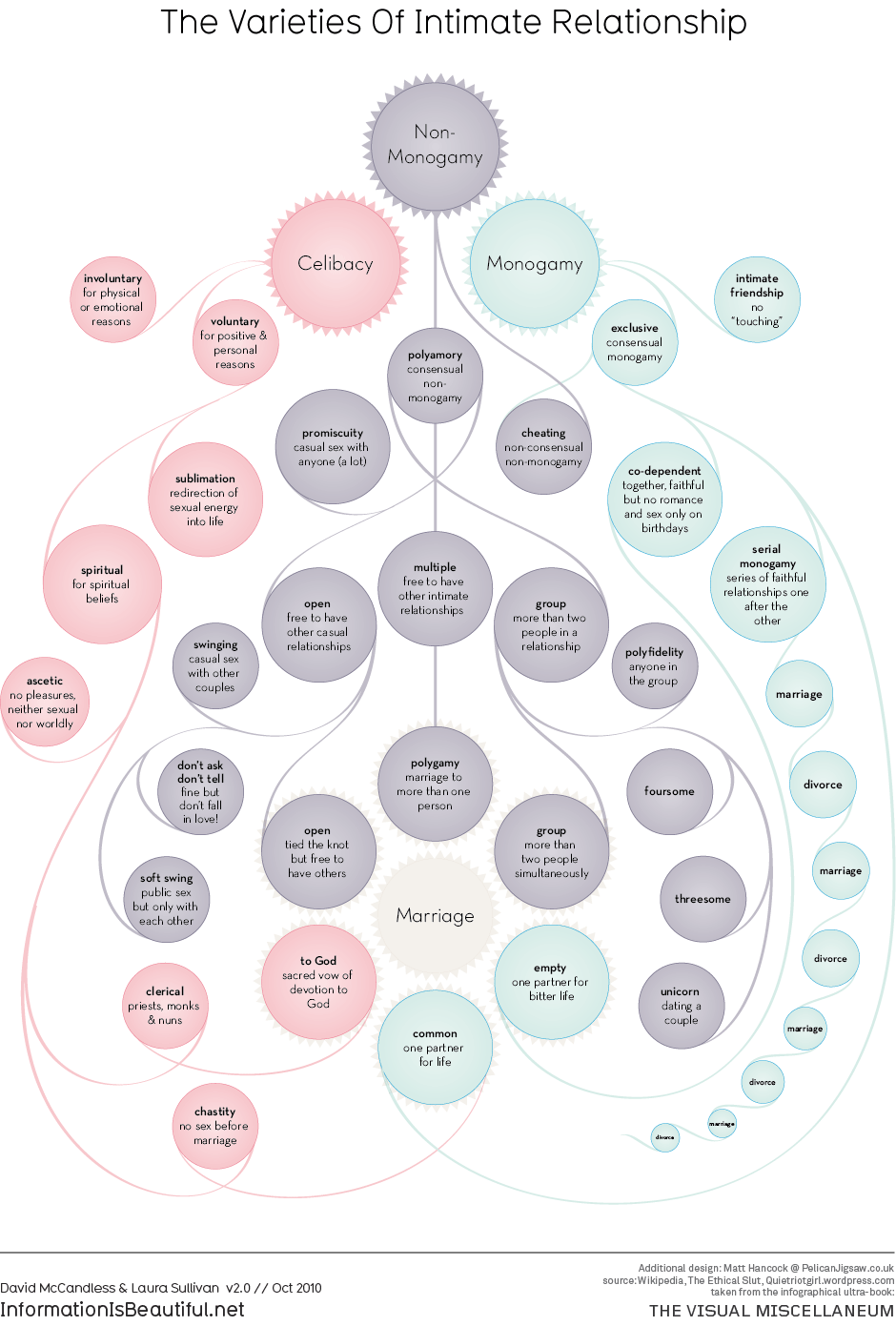
And I have to say, I love that term "Sublimation". Makes singledom sound way cooler. haha
From

Permalink: Information_is_beautiful.html
Words: 89
Last Modified: 08/11/11 03:49
Category: science
08/07/11 08:17 - ID#54901
View from 9th Avenue
"View with a limited dataset".
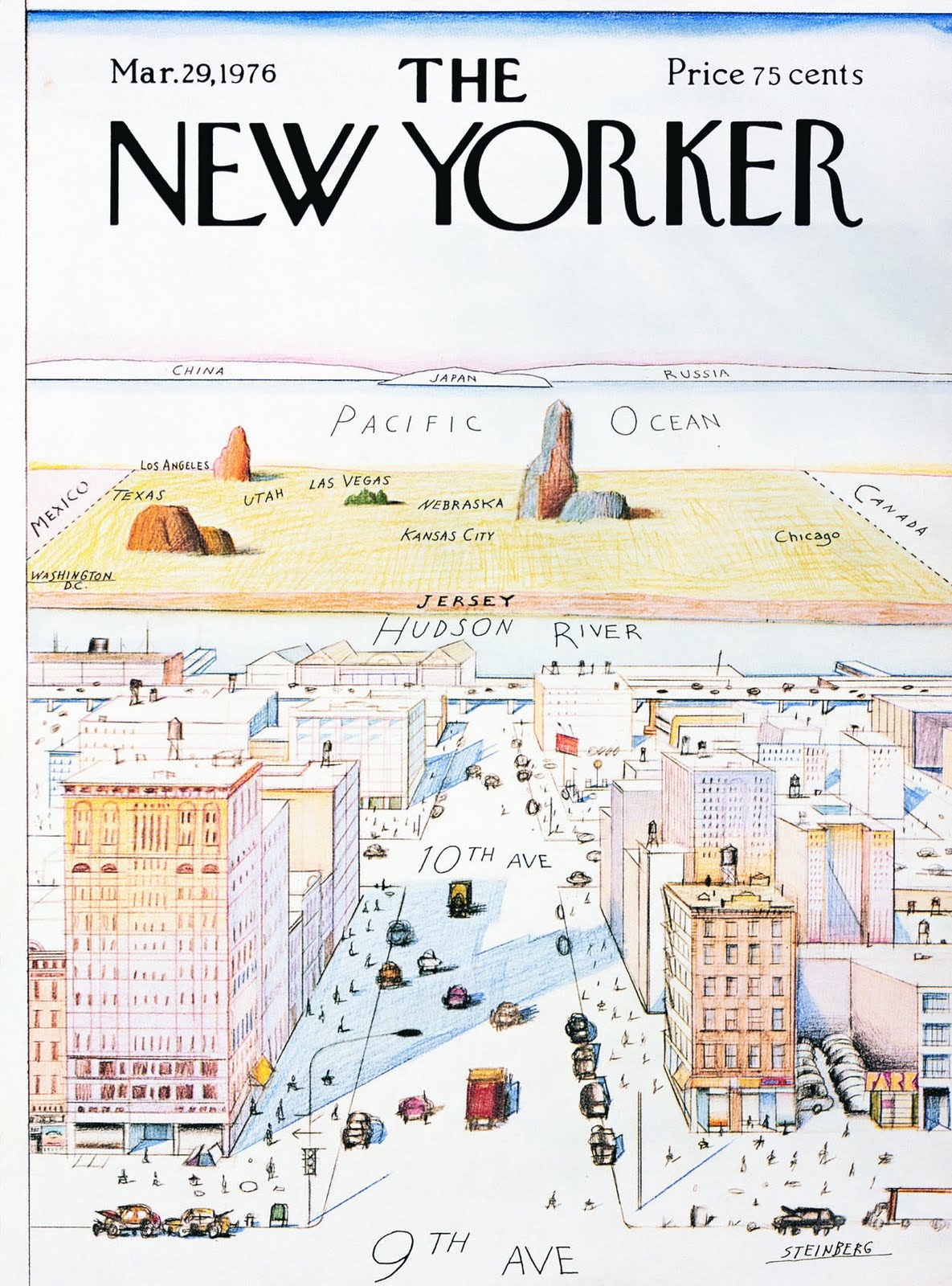
Or maybe.
Who cares?!
Permalink: View_from_9th_Avenue.html
Words: 21
Last Modified: 08/07/11 08:50
Category: science
07/15/11 09:02 - ID#54709
Google actually increases our IQ
She found, not surprisingly, that our priorities have moved not towards memorizing trivia but towards more efficient ways to retrieve this trivia from where it might be stored online. And since remembering trivia is a relatively easier task than remembering techniques and algorithms to retrieve this trivia, our IQs are actually getting sharper as technologies progress and our environments become richer with information.
As (e:paul) said to me not long ago, Google has pretty much become everyone's mother. And we are constantly thinking of ways to jog her memory and get relevant information out.
Science is an interesting magazine/journal. For people in academia, publishing in Science and Nature are the pinnacle of achievement. But somehow, a large number of studies from humanities and behavioural sciences which do get published in these journals (Science way more than Nature) seem to get away with the simplest of experiments, approaches and super-obvious hypotheses. More arduous basic and clinical science that takes a ton of effort to perform gets rejected routinely.
I often wonder if we, as basic and clinical scientists, place undue importance to getting published in these so-called lofty journals, and agonize too much about where we get published. After all, some of the finest nobel-winning impact-making science was not published in these journals but obscure journals with lowly impact factors when they first came out. (It's another matter however that these "lowly journals" have since become really prominent and elitist.)
Academia is a funny twisted world.
---
Refs:
::READ PDF::
::READ PDF::
Permalink: Google_actually_increases_our_IQ.html
Words: 301
Last Modified: 07/15/11 09:02
Category: science
06/10/11 07:51 - ID#54468
Wash your produce well!!
After wild allegations against the whole Spanish salad produce industry, the unmasking of the organically grown sprouts as the culprits comes as a bit of a eye-opener about the health risks of organic farming. Are we really sure that the human and animal refuse used as fertilizers in organic farms do not leave behind cysts and eggs of sundry virulent bacteria and parasites? Do we always make sure that we wash our produce well before eating it raw?
In the past, I have been guilty of trusting apparently fresh-looking greens and produce too much and eating them after a cursory wash. However it pays by the spadefuls to remember that cysts/eggs are hardy and can survive mild non-abrasive washing. It is up to us to make sure that our food sources are not contaminated.. and even if they are, that we do the utmost that we can to prevent superficial parasitic and bacterial cysts and eggs from entering our system.




Permalink: Wash_your_produce_well_.html
Words: 221
Last Modified: 06/10/11 07:53
Category: science
06/03/11 10:42 - ID#54411
Birdsong and microRNA.
It's absolutely fascinating. If you think about it, everything happens with gene-expression. Every little sound or image or any sensory input we receive from outside changes and temper the way our genes express in an ever-changing interaction.
I wonder what an intense episode of stress does to our immune-system related genes... Does it promote allergic reactions? Does it suppress the immune-system in a counter-productive move? I have this slight inkling of a doubt that this year, my escalating stress, nightmares about graduating and complete lack of restful sleep day in and day out is probably the primary cause of all my out-of-the-blue allergies.
I have never had allergies to ANYthing before. I usually cope with stress well... but then I have also had family around me in the past to buffer most extreme stressful times. I have sailed through most 40 hour shifts with nothing more than sore throats in the past. But I think if I had to do those shifts now, I would fall seriously sick. Things have changed so much.
So coming back to microRNAs, I wonder how microRNA influenced gene-expression charts the course of body physiology and especially, immune-system function. Sounds like an excellent future avenue ripe for investigation - especially since we can knock some of these microRNAs out with drugs...
Permalink: Birdsong_and_microRNA_.html
Words: 243
Last Modified: 06/03/11 10:42
Category: science
06/01/11 09:40 - ID#54393
Claritin Vs. Benedryl: Mechanism of Action
What follows is a dry account of the differences. Well... maybe not so dry because I am interested. :-)
Any allergic episode has two components: the early and late component. The early component is when the immunoglobulins (type E) recognize allergens, interact with the foot-soldier cells of the immune system. This interaction promotes the release of histamine, prostaglandins and leukotrienes from granules within not only mast cells, but also basophils, lymphocytes, and other reservoirs. Histamine then binds to receptors on nerves and blood vessels and leads to sneezing, tearing up, congestion and whatnots. Antihistamines compete with histamine for spots on the receptor and thus competitively reduce or completely block its action.
1st generation drugs such as diphenhydramine (Benedryl) also have additional anticholinergic, anti-serotonin, local anaesthetic, as well as sedative effects that might either provide a broader spectrum of relief from allergies or might just end up giving people more side effects (which explains the trippy experience I had.)
The late component of allergy is a plain inflammation reaction in the tissues mediated by immune cells called T-helper cells type-2 (Th2) and a host of cytokines (hormones/signalling molecules of the immune system). The inflammatory component feels exactly like a cold with the same reactions. In addition, the inflammatory component primes the immune response or "sensitizes" the immune system to even swifter allergy-induction in response to future allergens.
Loratadine (Claritin) not only binds to the histamine receptor, it also prevents the release of histamine as well as prostaglandins from mast cells - thus preventing "mast cell activation". Loratadine also has some effect on Th2 cells and suppresses some of the later inflammatory phase. It decreases the production of some of the late-phase cytokines. So it's not just an antihistamine. It also has none of the other wider receptor blocking effects of 1st gen antihistamines.
If you are inclined to read the nitty-gritties or how Loratadine acts on the immune system, here's a good review:
::READ PDF::
Permalink: Claritin_Vs_Benedryl_Mechanism_of_Action.html
Words: 394
Last Modified: 06/01/11 09:40
Category: science
05/06/11 07:45 - ID#54225
e:libertad, how did you quit smoking?
- How long had you been smoking?
- How much were you smoking?
- When did you start?
- What brands were you smoking?
- How long did it take for you to quit?
- When did you start trying to quit?
- What all did you try?
- What worked?
- What didn't work?
- What do you feel was the most helpful and the least helpful?
- Who helped you?
- Who didn't help you?
- What factors dangerously pushed you into relapse?
This is a LOT to ask of you, I know, but I am honestly VERY VERY interested in success stories like yours who have fought single-handedly against a whole CORPORATION of evil. It's amazing really that your individual will power fought and defeated commercial interests who are pushing out this drug to the masses and encouraging addiction with a sole purpose of financial gain and complete disregard for the financial, health and emotional burden of communities across the planet. I think people who quit smoking are perhaps the strongest people anywhere.
Permalink: e_libertad_how_did_you_quit_smoking_.html
Words: 193
Last Modified: 05/06/11 07:55
Category: science
04/11/11 07:27 - ID#54030
Marathon craziness
I dislike running. A LOT. I can walk *really* fast and probably match the pace of all 6+ footers out there with little effort but I cannot run for long. To be precise, I can run for 15 seconds before my lungs liquefy and start pouring out my nostrils... Well, they don't, actually, but that's what it feels like. It's almost as bad as trying to get used to spectacles and have the ground tilt and be all wobbly for a couple weeks. I can't take that feeling! As a result, I don't run, or wear spectacles. Usually, people try to show me the merits of joining the band of
And now I have scientific proof to wave in their faces (atleast for the runners... I am sure, one of these days, I will find something against spectacles as well.)
I spotted this editorial that gives an overview of studies that show that if you just run because your friends have suddenly started running or you feel like running can make up for your decades of binging on chicken wings or smoking your lungs to a nice ebony black, it doesn't help. ::READ PDF::
In fact, you end up with an increased risk of coronary atherosclerosis or myocardial scar formation due to mini-infarctions (that's a heart attack and things leading up to heart attacks). Running, for people who have not slowly conditioned their muscles over a long period of time, is injurious to their heart.
Instead, come to dance class with me! ;-)
^NB: Have you ever noticed that 95% of male actors that you look up in imdb has usually played a role in that HBO series? When they made the series, did they recruit everyone from every acting school across the planet?!
Permalink: Marathon_craziness.html
Words: 385
Last Modified: 04/11/11 10:19
Category: science
01/09/11 10:42 - ID#53415
What a bunch of tripe.
I can't believe the University of Buffalo is writing up such unsubstantial fluff to "guide" the public and calling it science-supported! UGH. I especially have issues with:
7. Jack-up your consumption of soy (The evidence is NOT conclusive. I, for one, have trouble believing that the women who ate more soy in that study did not have other healthy habits along with the soy-eating behaviour. (These might not have been the focus of that study.) And I happen to know what dataset that study came from.)
9. Pay with cash at the grocery store to avoid junk food. (I NEVER pay with cash. Ever. Come and take a look at my kitchen, UB news person! If method of payment drove food habits, why don't we just go ahead and ban credit cards. Ever heard of something called an ecological fallacy?)
10. Have a few drinks to boost romance. (Sure. Why not. Eat a chunk of tofu to go along with the alcohol. I am sure that will balance out all the ill-effects of alcohol.)
Badly done, UB. I wish you didn't go about giving misinformed pop-advice and calling it "research-tested". It decreases the credibility of the research that actually went into the studies that this ridiculous list cites.
Permalink: What_a_bunch_of_tripe_.html
Words: 230
Last Modified: 01/09/11 10:45
Author Info
Date Cloud
- 12/21
- 12/15
- 02/15
- 01/15
- 11/14
- 08/14
- 04/14
- 02/14
- 11/13
- 07/13
- 09/12
- 08/12
- 07/12
- 04/12
- 03/12
- 02/12
- 01/12
- 12/11
- 11/11
- 10/11
- 09/11
- 08/11
- 07/11
- 06/11
- 05/11
- 04/11
- 03/11
- 02/11
- 01/11
- 12/10
- 11/10
- 10/10
- 09/10
- 08/10
- 07/10
- 06/10
- 05/10
- 04/10
- 03/10
- 02/10
- 01/10
- 12/09
- 11/09
- 10/09
- 09/09
- 08/09
- 07/09
- 06/09
- 05/09
- 04/09
- 03/09
- 02/09
- 01/09
- 12/08
- 11/08
- 10/08
- 09/08
- 08/08
- 07/08
- 06/08
- 05/08
- 04/08
- 12/07
- 11/07
- 10/07
- 09/07
- 08/07
- 07/07
- 06/07
- 05/07
- 04/07
Category Cloud
More Entries
After This
My Fav Posts
- Click the heart at the bottom of anyone's blog entry to add it here ;(
 Buffalo Pride weekend marathon
 Raggedy Annie Plushapalooza '96

1. Groupon is set up by a certain number of people and a certain number of time.... My understanding is that it is like buying a group rate....
A. The hope is that this big group of people will try something they normally wouldn't because of the savings and the group thing ... So you get customers you wouldn't normally get...
B. Might lose some money on Regulars but Regulars who like the place have a time and place they go and might not like this idea
c. With the company deciding the date they can pick a time when business is slow or when having a bunch of people come in helps them out...
It is important to understand that with any coupon you save money. But on each unit or each meal this is a certain amount of profit made and with a coupon that profit amount goes down but it is still a profit.... What the hope is that the smaller amount of profit (this may not hold true in many things with groupon) with more buyers makes the total profit higher and even if it doesn't that in the long run the new customers will by more... I think Restaurants are perfect for this often cause people don't want to try a new kind of food or a new place they love the place that they go but for cheap they will try a new place... If the food is on buy old place hello new place.....